

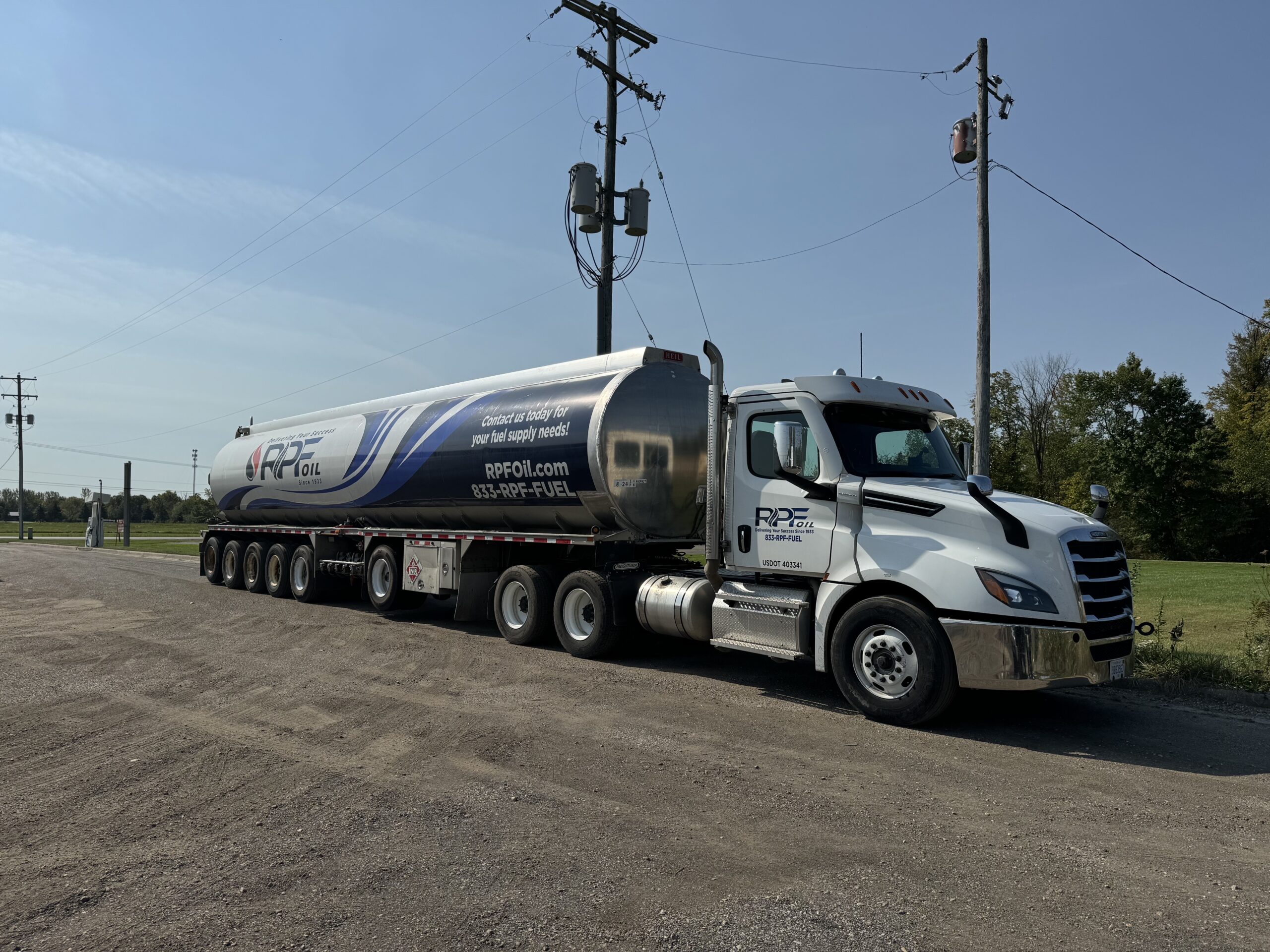
Just-in-time fuel delivery is an inventory-planning approach: coordinate replenishment with expected demand while accounting for usable tank capacity and delivery timing. It is not a promise to carry the smallest possible stock or a guarantee against every interruption. For a gas station, the useful question is how the ordering process responds to actual sales and changing conditions.
Start with product-level inventory
Review gasoline grades and diesel separately: each can have different sales patterns. Use tank capacity, inventory reports and recent sales to plan replenishment. A combined monthly gallon total alone does not describe each product requirement.
Build an exception process
Identify who reports unusual sales, tank issues or temporary closures, and who reviews the next order. Share access restrictions and operational changes with the delivery contact.
Connect the concept to Keep-Fill
Explore the RPF Keep-Fill Program for fuel inventory management and automated reordering. Bring current reports and clarify equipment compatibility, ordering responsibilities and how exceptions are handled. Review RPF fuel delivery alongside inventory planning.
Measure the operating result
Track ordering effort, inventory exceptions and communication quality. The goal is a workable replenishment process, not simply the lowest possible tank level.
Explore the wider fuel supply plan
Review gas station fuel supply and dealer support to connect ordering, delivery and station services.
Compare ordering responsibilities in Keep-Fill versus will-call fuel delivery.
Frequently asked questions
Does just-in-time mean near-empty tanks?
No. Replenishment planning must account for usable inventory, demand and delivery timing.
What data should be reviewed?
Product-level sales, tank capacities, inventory reports and known operational changes.
Where does RPF Keep-Fill fit?
It provides a starting point for inventory management and automated reordering discussions.
Can demand changes affect the plan?
Yes. A clear process for unusual sales and site changes is part of useful inventory coordination.